
Introduction
Emerging technologies are shaping the future faster than ever before. From smart devices to advanced computing systems, these innovations are changing how we live, work, and communicate. Today, businesses and individuals rely on emerging technologies to improve efficiency, solve problems, and create new opportunities. Whether it is automation, artificial intelligence, or blockchain, these tools are becoming part of everyday life.
In simple terms, emerging technologies refer to new and rapidly developing tools that have the potential to significantly impact society. For beginners and intermediate learners, understanding these technologies can open doors to better careers, smarter decisions, and improved productivity. Moreover, companies that adopt emerging technologies early often gain a competitive advantage.
As we move forward, it is important to stay informed and adapt to these changes. This guide will help you understand what emerging technologies are, why they matter, and how you can start using them step by step. By the end of this article, you will have a clear understanding of the benefits, risks, and best practices associated with emerging technologies.
What is Emerging Technologies?
Emerging technologies are new innovations that are still developing but have the potential to transform industries and everyday life. These technologies are not yet fully adopted, but they are growing quickly and gaining attention worldwide.
Examples of emerging technologies include artificial intelligence, machine learning, blockchain, virtual reality, and the Internet of Things. Each of these technologies offers unique solutions to modern problems. For instance, artificial intelligence can automate tasks, while blockchain provides secure digital transactions.
One key feature of emerging technologies is that they evolve continuously. As a result, new updates and improvements are introduced regularly. This makes it important for individuals and businesses to stay updated.
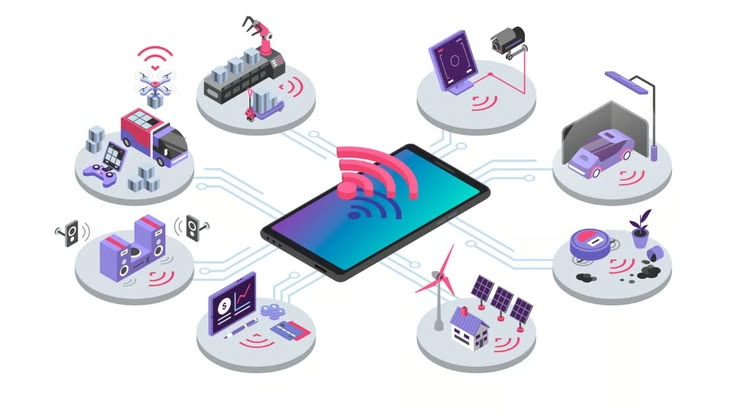
In addition, emerging technologies often work together. For example, AI can be combined with IoT devices to create smart homes or smart cities. This integration increases their value and usefulness.
Overall, emerging technologies represent the future of innovation. Understanding them is the first step toward staying relevant in a rapidly changing world.
Why is Emerging Technologies Important?
Emerging technologies play a crucial role in modern society. They help improve productivity, reduce costs, and create new opportunities. Without these technologies, many industries would struggle to grow and compete.
One major reason for their importance is efficiency. Businesses use emerging technologies to automate tasks, saving time and resources. For example, automated systems can handle customer service inquiries, allowing employees to focus on more complex tasks.
Another important factor is innovation. Emerging technologies encourage creativity and new ideas. Companies can develop new products and services that meet changing customer needs.
Moreover, these technologies improve decision-making. Data-driven tools provide insights that help businesses make better choices. This leads to improved performance and growth.
Finally, emerging technologies contribute to global development. They support advancements in healthcare, education, and communication. As a result, people can enjoy a better quality of life.
Detailed Step-by-Step Guide
Step 1: Understand the Basics
Start by learning the fundamentals of emerging technologies. Read articles, watch tutorials, and explore online courses. Focus on key areas like AI, blockchain, and IoT.
Having a strong foundation will make it easier to understand advanced concepts later.
Step 2: Identify Your Interest
Not all emerging technologies are the same. Choose the ones that match your goals or interests. For example, if you enjoy data analysis, consider learning about machine learning.
This step helps you stay focused and motivated.
Step 3: Learn Practical Skills
Once you understand the basics, start building practical skills. Practice using tools and platforms related to your chosen technology.
For example, you can experiment with simple coding projects or use beginner-friendly software.
Step 4: Stay Updated
Emerging technologies change quickly. Follow industry news, blogs, and updates to stay informed.
Regular learning ensures that you remain relevant and competitive.
Step 5: Apply Knowledge in Real Life
Use your knowledge to solve real problems. Create projects, join communities, or work on freelance tasks.
Practical experience strengthens your understanding and builds confidence.
Step 6: Network with Others
Connect with people who share similar interests. Join online forums or attend events related to emerging technologies.
Networking helps you learn from others and discover new opportunities.
Step 7: Keep Improving

Learning never stops. Continuously improve your skills by exploring new tools and techniques.
Consistency is the key to mastering emerging technologies.
Benefits of Emerging Technologies
- Improve efficiency by automating tasks
- Create new job opportunities and career paths
- Enhance communication and connectivity
- Support innovation and creativity
- Provide better data analysis and decision-making
- Reduce operational costs for businesses
- Improve quality of life through advanced solutions
Disadvantages / Risks
- High initial cost of implementation
- Security and privacy concerns
- Job displacement due to automation
- Complexity and learning curve
- Dependence on technology
- Rapid changes can make skills outdated
Common Mistakes to Avoid
Many beginners make simple mistakes when learning about emerging technologies. One common mistake is trying to learn everything at once. This can lead to confusion and frustration. Instead, focus on one area at a time.
Another mistake is ignoring practical experience. Reading alone is not enough. You must apply what you learn to understand it fully.
Some people also fail to stay updated. Since emerging technologies evolve quickly, outdated knowledge can become useless.
Additionally, avoiding collaboration is a mistake. Learning with others can speed up your progress and provide new insights.
Lastly, many individuals give up too early. Learning new technologies takes time and patience. Consistency is essential for success.
FAQs
1. What are emerging technologies?
Emerging technologies are new and developing innovations that have the potential to transform industries and daily life.
2. Why should I learn emerging technologies?
Learning emerging technologies can improve your skills, increase job opportunities, and help you stay competitive in the modern world.
3. Which emerging technology is best for beginners?
Artificial intelligence and basic programming are good starting points because they have many learning resources available.
4. Are emerging technologies expensive to learn?
Not always. Many free and affordable resources are available online, making it easy for beginners to start learning.
5. How long does it take to learn emerging technologies?
The time depends on your dedication and the complexity of the technology. Basic knowledge can be gained in a few months.
6. Can I learn emerging technologies without a technical background?
Yes, many beginners start without a technical background. With consistent effort and practice, anyone can learn.
Expert Tips & Bonus Points
Start small and focus on one technology at a time. This approach helps you build confidence and avoid confusion.
Practice regularly to strengthen your understanding. Even small projects can make a big difference.
Use reliable learning resources to ensure accurate information.
Stay curious and open to new ideas. Emerging technologies are constantly evolving, so adaptability is important.
Set clear goals to track your progress. This keeps you motivated and focused.
Finally, do not be afraid to experiment. Trying new things can lead to valuable learning experiences.
Conclusion
Emerging technologies are transforming the world in many ways. They offer exciting opportunities for individuals and businesses alike. By understanding and adopting these technologies, you can improve your skills, increase efficiency, and stay ahead in a competitive environment.
While there are challenges and risks, the benefits of emerging technologies are far greater. With the right approach, anyone can learn and use these tools effectively. Start by understanding the basics, choose your area of interest, and build practical skills step by step.
Remember that learning is a continuous process. Stay updated, practice regularly, and connect with others in the field. Over time, you will gain confidence and expertise.
In conclusion, emerging technologies are not just a trend but a necessity for the future. Embracing them today can lead to better opportunities and a more successful tomorrow.